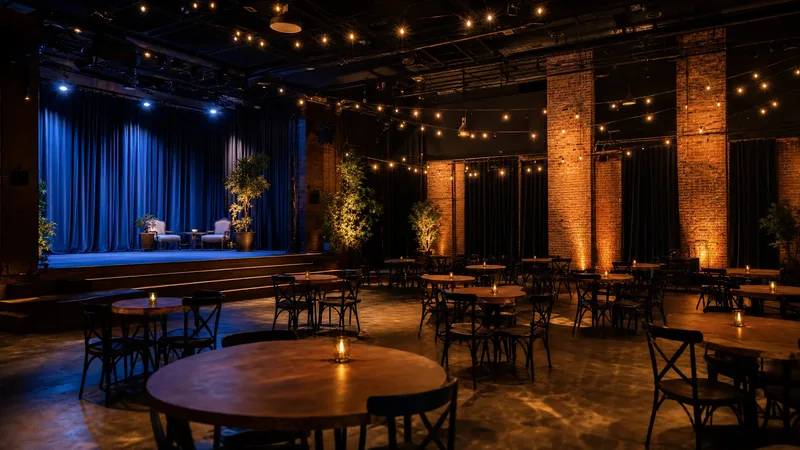
How to Start a Wedding or Event Venue in Montana
Last verified: November 24, 2026
Learning how to start an event venue business in Montana means handling the business formation, the local and food approvals, and the alcohol decision at the same time. Each one has its own office, forms and fees. A wedding venue touches all of them on almost every booking, so the order you work in matters.
This guide follows a practical sequence. It covers what to gather before you file, the approvals to request at each step, and the mistakes that tend to slow a launch. It is written for someone planning a venue from the ground up, whether you are buying property, leasing a barn or converting an older building.
What You Need Before You Start
Pull these items together before you file anything. Applications move more smoothly when the supporting documents are ready.
- A short written business plan with the venue address, maximum guest count, event types, and whether you will serve food or alcohol
- Proof of control of the property, such as a deed, lease or purchase agreement
- A site plan that shows parking, restrooms, the event space and any kitchen or prep area
- A business name you have checked in the Business Name Search
- A chosen business structure and the details needed for your Montana Secretary of State filing
- A list of staff who will sell, serve or deliver alcohol, if you plan to serve it
- Contact information for the city or county office that handles business licensing and for your local planning office
Steps to Start Your Event Venue in Montana
The steps below follow a sequence that keeps one approval from blocking another. Some tasks can run at the same time, but do not book events until the approvals that apply to them are in place.
Step 1: Define Your Venue Model
Settle the basic model before you sign anything. Decide whether you will own or lease the building, whether events will be indoor, outdoor or both, and the largest guest count the space can hold. Then decide who provides food and drink. A venue with in-house catering faces different licensing than one that rents space to outside caterers, so this decision controls several later steps.
Write the model down in a single paragraph. Lenders, landlords, insurers and agencies will each ask for it, and a consistent description saves rework.
Step 2: Confirm Zoning and Land Use Approval
Before you buy or lease, find out how your county or city classifies event use on the parcel. Ask whether a commercial event use is allowed in the zone, and whether a conditional use review, variance or other approval applies. Ask about parking requirements, noise limits and permitted hours, because these often limit how many events you can host.
This guide does not cover local zoning standards. Confirm them with your County Commissioners or city planning office, and with the Planning Board or Board of Adjustment that serves your location.
Step 3: Form and Register Your Business Entity
Choose a structure, such as a limited liability company or corporation, and confirm that your name is available in the Business Name Search. File your formation documents through the Business Filing Portal of the Montana Secretary of State's Business Services Division. Keep the filed copy with your business records, since banks, insurers and local offices will ask for it.
The right structure depends on your liability exposure, ownership plans and tax position. Ask an attorney or CPA to help you compare options before you file.
Step 4: Get Your Local Business License
Start your business license request at the local level. The Montana Department of Commerce states that local city and county offices provide all business licensing in Montana, and that the State of Montana provides professional licenses. See the business license guide. For a venue, the general business license request goes to the city or county where the property sits.
Ask that office for the application form, the current fee and any inspection requirement. A city or county may also set a local fee for alcohol licensees, which Step 6 covers.
Montana Department of Commerce business licensing guidance
Step 5: Plan Your Food Service License
If you serve food to guests, plan for food licensing early. Montana law requires a person operating a retail food establishment to hold an annual license from the Department of Public Health and Human Services (DPHHS), and each establishment needs its own license. Retail license fees are set by staffing size under MCA 50-50-205.
| Establishment Size | Peak-Hour Staffing | Annual License Fee |
|---|---|---|
| Small | No more than two employees | $150 |
| Medium | Three to nine employees | $225 |
| Large | 10 or more employees | $275 |
The fee schedule also carries a $25 late fee. Mobile food establishments pay $150 for a small unit and $225 for a large one, and DPHHS collects a plan review fee set by rule for each mobile food establishment plan it reviews. Check current amounts on the DPHHS license renewal page.
Do not assume a guest ranch exemption covers your venue. Montana law says a guest ranch day visitor does not include people attending weddings, parties or large group functions, and those guests may not be served food unless the entity serving it holds a license under 50-50-201.
If you host occasional events instead of running a permanent kitchen, ask about a temporary food permit. A temporary food establishment operates at a fixed location for no more than 21 days in conjunction with a single event, or uses a fixed menu at a recurring event within a single county for no more than 45 days. The local health authority issues the permit, and its fee may not exceed the retail food license fee. A nonprofit is exempt from the permit fee.
This guide does not address how caterer-supplied food changes your food license or permit needs. Ask your county or city-county health department before your first event.
Step 6: Build Your Alcohol Plan
Alcohol is where most venues face the most decisions. Your options depend on the license you hold, what you plan to serve and whether the event is catered. Review the options below before you draft any contract that promises drinks. The rules are set out in Montana Code Annotated, Title 16, Chapter 4, Part 4, among other sections.
| Option | What It Covers | Cost or Limit |
|---|---|---|
| All-beverages license with catering endorsement | Catering rights under MCA 16-4-204 | Licenses are quota-limited |
| On-premises beer and wine license with catering endorsement | Catered events within 100 miles of the licensed premises (MCA 16-4-111) | $200 a year |
| Special permit for beer and table wine at an event | Events under MCA 16-4-501(2) | $10 a day |
Note: A catering endorsement covers catered events within the distance set by statute, not every event you book. Confirm the endorsement, the event location and the notice requirements before you accept a booking that includes alcohol.
A catering endorsement holder must notify local law enforcement of the catered event, and a local government may charge a fee of $35 for that event. If the licensee is a restaurant licensed under MCA 16-4-420, the food must equal in cost 65% of the total gross revenue from the catering contract.
If your venue is run by a tax-exempt 501(c)(3) organization, an organization raising funds for a person in need, or an accredited Montana postsecondary school, you may receive up to 12 special permits a calendar year to sell beer and table wine. Local governments can also license retail alcohol licensees and charge a local fee of up to five-eighths of the state all-beverages fee, or 100% of the state beer or beer and wine fee (MCA 16-4-503). Confirm the local amount with your city or county.
Step 7: Train Staff and Keep Records
Every employee who sells, serves or delivers alcohol must complete approved training, and so must that employee's immediate supervisor. Training is due within 60 days of hire and every 3 years after the initial training (MCA 16-4-1005). The licensee must keep records of completion, so set up a filing system before your first shift.
The Department of Revenue certifies two classes of responsible server and sales training: one class for on-premises licensees and one for off-premises licensees. The off-premises course must be completed in at least half the time of the on-premises course (MCA 16-4-1006). Choose the class that matches your license, and confirm which courses are certified with the Department of Revenue before you schedule sessions.
Step 8: Register Tax and Employer Accounts
Register with the Montana Department of Revenue for any tax account your venue needs, through the TransAction Portal (TAP). If you collect taxes on bookings or sales, confirm which accounts apply before your first payment. If you will hire staff, contact the Unemployment Insurance Division and confirm workers' compensation coverage with the Montana State Fund and the Montana Department of Labor and Industry.
A federal employer identification number from the Internal Revenue Service (IRS) is often needed for payroll and bank accounts. This guide does not cover tax rates or filing schedules, so confirm those with the Department of Revenue and a CPA.
Step 9: Confirm Fire Safety and Insurance
Event venues host large groups, so occupancy, exits and fire safety matter before any booking. Ask the state fire prevention and investigation section of the Department of Justice, and your local fire authority, what applies to assembly use in your building. This guide does not cover occupancy limits or fire code specifics.
Get event liability quotes from a licensed insurance agent before you open bookings. Coverage needs depend on your business structure, your food and alcohol plan and your lease terms, so share your business plan with the agent. Ask whether the policy covers catered alcohol service and whether the insurer needs proof of your licenses.
What Results to Expect
Following these steps may help you open with your licenses, permits and approvals in place. Results vary with your property, your county or city and the current workload of each agency, so no single timeline fits every venue.
A complete file may give you:
- Clear answers from each office about what your venue can host
- Accurate pricing for food and alcohol add-ons, because you know the fees before you quote them
- Fewer resubmissions when reviewing offices ask for documents you already have
Check each agency page for current processing times rather than planning around a single estimate.
Tips and Common Mistakes to Avoid
- Assuming the guest ranch exemption applies: Weddings and large group functions are excluded from the day visitor definition, so food service requires a license under 50-50-201.
- Booking alcohol before the endorsement is in place: Confirm that the license or endorsement covers the event location and distance before you sign.
- Relying on a temporary permit for a year-round venue: Temporary food rules are limited in duration, so an ongoing venue generally needs a retail license.
- The business license guide explains how Montana handles business licensing.
- Overlooking training deadlines: Staff who sell, serve or deliver alcohol must complete training within 60 days of hire, and you must keep the completion records.
- Forgetting the local alcohol fee: Cities and counties may charge a local fee on retail alcohol licenses, so build it into your budget.
Tip: Ask every office for its checklist in writing, and keep a binder with copies of every application, approval and receipt. It is the quickest way to answer a lender, insurer or new employee.
Frequently Asked Questions
Do I need a state business license to open an event venue in Montana?
The business license guide explains how Montana handles business licensing. Start your general business license with your city or county. Confirm with the Department of Commerce whether any professional license applies to your operation.
Can I serve beer and wine at weddings I host?
It depends on your license. An on-premises beer and wine licensee may hold a catering endorsement for an annual fee of $200, for events within 100 miles of the licensed premises. Qualifying nonprofits may receive up to 12 special permits a calendar year. Confirm your options with the Cannabis and Alcohol Regulation Division of the Department of Revenue before you accept a booking.
Does a caterer's food change my food license needs?
This guide does not cover how caterer-supplied food affects your food license or temporary permit. Confirm the answer with your local health authority and with DPHHS before your first event.
Disclaimer
This article is informational only and is not legal or tax advice. Consult an attorney or CPA before making decisions about your business structure, licenses, taxes or contracts.
Sources
Keep exploring: related Montana guides
- Missoula Short-Term Rental Registration
- How to Start a Short-Term Rental in Montana
- How to Start a Fishing Outfitter Business in Montana
- How to Start a Guest Ranch or Dude Ranch in Montana
- How to Start an LLC in Montana
- Montana Business License
- How Much Does It Cost to Start a Business in Montana
- All Montana business types
- Every Montana guide in one place