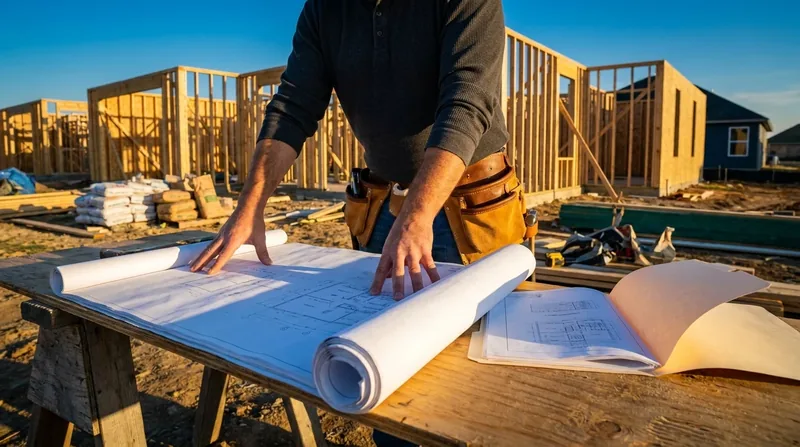
How to Start an HVAC Business in Montana
Last verified: November 24, 2026
Starting an HVAC business in Montana takes more planning than most people expect, and the rules are not always where the search results point. Many owners begin by looking for a state HVAC license, and that search leads to a dead end. What you actually need depends on the work you plan to do, where you operate, and whether you will hire employees.
This guide walks through the steps in the order most owners tackle them. You will confirm which licensing applies to your trade, get the federal refrigerant certification, register the business, and set up insurance and operations. Where this guide does not cover a detail, it names the agency that does.
What About an HVAC License in Montana?
If you searched for an hvac license montana, the first thing to know is that the state's HVAC licensing chapter has been repealed. MCA Title 37, Chapter 70, Heating, Ventilation, Air Conditioning, is listed on the Montana Legislature's code site as Repealed. The Department of Labor and Industry's list of boards and programs also names no heating, ventilation, or air conditioning board.
That does not mean nothing applies to your business. Several other requirements reach HVAC companies, and they come from different agencies. The Montana Department of Commerce business licensing page states that local city and county offices provide all business licensing in Montana, while the State of Montana provides professional licenses. See the business license guide. Sorting out which part of your work falls under which rule is the real job of this first phase.
Materials and Information You Will Need
Gather these before you file anything. Having them ready keeps the process moving and prevents rework when an agency asks for a detail you do not have.
- A written business plan that describes your services, service area, pricing approach, and startup costs
- Your federal EPA Section 608 technician certification, for anyone who will handle refrigerants
- A business name you have checked in the Secretary of State's Business Name Search
- Personal identification and home or shop addresses for each owner
- A business bank account and a bookkeeping system kept separate from personal money
- Vehicle details for each work truck, ready for the Motor Vehicle Division
- Insurance quotes for general liability, commercial auto, and workers' compensation
- A federal employer identification number from the Internal Revenue Service, if your structure or payroll requires one
- A tool and equipment list, including gauges and refrigerant recovery equipment
Steps to Start Your HVAC Business in Montana
Work through these steps in order. Some can run at the same time, but the licensing check comes first because it determines what else you need.
Step 1: Confirm Which Licenses Apply to Your Work
List every type of work you plan to offer. Residential service calls, new equipment installs, commercial rooftop units, boiler work, and any electrical or plumbing tie-ins may each fall under a different agency. Write the list down, because you will take it to each agency for a direct answer.
- Heating, ventilation, and air conditioning work: the state's board list names no HVAC board or program, so confirm the scope of your work with the Department of Labor and Industry (DLI).
- Electrical work: electrical licensing is handled through the State Electrical Board.
- Plumbing work: plumbing licensing is handled through the Board of Plumbers.
- Boiler work: the Boiler Operator Program issues boiler licenses. A Low Pressure Boiler Engineer license covers steam boilers operated not in excess of 15 psi and water boilers operating not in excess of 50 psi and 250 degrees temperature.
- General construction contracting: the Construction Contractor License (CCL) Program at DLI handles construction contractor licensing. This guide does not cover whether your HVAC work falls under it, so confirm with DLI.
If you are a solo operator with no employees, MCA 37-45-104 contains an exemption for an independent contractor in that position, and that contractor may voluntarily elect to register under the chapter. Confirm how the exemption applies to your work with DLI's Independent Contractor Exemption Certificate (ICEC) Program before you rely on it.
If your crew includes licensed electricians or plumbers, confirm that their licenses are current before they work on your jobs.
Step 2: Get Your EPA Section 608 Certification
Federal rules govern refrigerant work, and this is the requirement most HVAC owners cannot skip. Under Section 608 of the Clean Air Act, found in 40 CFR Part 82, Subpart F, technicians who maintain, service, repair, or dispose of equipment that could release ozone-depleting refrigerants into the atmosphere must be certified. The EPA's Section 608 technician certification page states that these credentials do not expire.
Do not send anyone to handle refrigerant until that person holds the certification. Keep a copy of each technician's credential in your business files, and apply the same check to any subcontractor you bring onto a job.
Common mistake: assuming a state trade license covers refrigerant work. Check the EPA's guidance directly rather than assuming another credential covers you.
Step 3: Choose a Structure and Register Your Business
Choose a legal structure with input from an attorney or CPA. Then check your business name in the Secretary of State's Business Name Search and file your entity paperwork through the Business Filing Portal run by the Business Services Division. Use the exact name you filed on your invoices, signage, and insurance policies.
This guide does not cover the filing fee or the required forms for each entity type. Confirm them with the Montana Secretary of State before you file.
Step 4: Obtain Your Local Business License
Business licensing in Montana runs through local city and county offices, so the license you need depends on where your shop, storage, or home office sits. If you operate inside city limits, such as in Bozeman or Kalispell, start with that city's office. If you operate outside city limits, contact the county.
Ask about zoning at the same time. A shop or home-based business may need a zoning check, and local planning staff, the Planning Board, or the Board of Adjustment can help you sort that out. This guide does not cover local zoning rules.
Step 5: Register for State Tax and Employer Accounts
Register your business with the Montana Department of Revenue for the tax accounts that apply to your services, using its TransAction Portal (TAP). This guide does not list which tax accounts your HVAC business needs, so confirm that with the Department of Revenue before your first invoice goes out.
If you plan to hire employees, you will also deal with the Unemployment Insurance Division. Its UI Employer Handbook (January 2025) explains employer obligations. Contact Montana State Fund about workers' compensation coverage. Set these accounts up before your first paid shift, not after.
Step 6: Set Up Insurance and Bonding
Talk with a licensed insurance agent about general liability, commercial auto, tools and equipment, and workers' compensation. Ask specifically about coverage for refrigerant handling and completed operations, since those exposures catch many contractors off guard. This guide does not cover required coverage limits or bonding requirements for HVAC work, so confirm those with your insurer and with the agency that oversees your license.
Step 7: Build Your Operations and Pricing System
Set up a price list, service agreement, and invoicing tool before you take your first customer. Write down how you will handle warranty calls, after-hours service, and disputes. Keep receipts for refrigerant, parts, fuel, and vehicle costs together so tax season does not turn into a scramble.
Note: Do not pay for an application or exam that promises a state HVAC license. Because the state's HVAC licensing chapter is listed as repealed, confirm any such offer with DLI first.
Expected Results of Following These Steps
Owners who work through these steps in order may find the process smoother, with fewer surprises when they hire their first employee or file their first tax return. Clear paperwork can also make it easier to bid commercial work and answer customer questions about credentials. Results depend on your market, your crew, and the services you offer, and no guide can promise how quickly your business will grow.
Common Mistakes to Avoid
- Waiting on a state HVAC license application. The HVAC licensing chapter is listed as repealed, so confirm with DLI before you pay for anything.
- Letting an uncertified helper work on refrigerant lines.
- Hiring employees before you register for employer accounts.
- Starting paid work before your local business license is in place.
- Skipping written service agreements or mixing personal and business money.
Tips for Staying Organized
Keep one folder, digital or physical, with every filing, confirmation, and certificate. Date each document and note which agency issued it. When an agency answers a question by phone, write down the name of the person and the date. These habits cost little and save time when a renewal or compliance question comes up.
Frequently Asked Questions
Do I need a state HVAC license in Montana?
The state's HVAC licensing chapter, MCA Title 37, Chapter 70, is listed as Repealed, and DLI's list of boards and programs names no heating, ventilation, or air conditioning board. Confirm the scope of your specific work with DLI and with your local business licensing office.
Do I need EPA certification to work on HVAC systems?
If your work involves maintaining, servicing, repairing, or disposing of equipment that could release ozone-depleting refrigerants, federal rules require Section 608 certification. The EPA states that these credentials do not expire.
Can I run an HVAC business by myself?
MCA 37-45-104 includes an exemption for an independent contractor who has no employees, and that contractor may voluntarily elect to register under the chapter. Confirm how the exemption applies to your work with DLI's Independent Contractor Exemption Certificate (ICEC) Program.
Where do I get my business license?
The business license guide explains how Montana handles business licensing. Contact the office that covers the address where your business operates.
What does a boiler license cost?
DLI's Boiler Operator Program states that the application fee for all classes of licensure is $70.00. Confirm the current amount with DLI before you apply.
Disclaimer
This article is informational content, not legal or tax advice. Consult an attorney or CPA before you form your business, hire staff, or make tax decisions.
Sources
- Montana Code Annotated, Title 37 Chapter Index (Chapter 70 listed as Repealed)
- Montana Code Annotated, Title 37, Chapter 70 Parts Index
- Montana Code Annotated, Section 37-45-104
- Montana Department of Labor and Industry, Choose a Board or Program
- Montana Department of Labor and Industry, Boiler Engineer License Information
- Montana Department of Labor and Industry, Construction Contractor License Program
- Montana Department of Commerce, Business Licensing
- U.S. Environmental Protection Agency, Section 608 Technician Certification
Keep exploring: related Montana guides
- How to Start an Electrical Contractor Business in Montana
- How to Work as an Independent Contractor in Montana
- How to Start a Plumbing Business in Montana
- Missoula Contractor Business License
- How to Start an LLC in Montana
- Montana Business License
- How Much Does It Cost to Start a Business in Montana
- All Montana business types
- Every Montana guide in one place