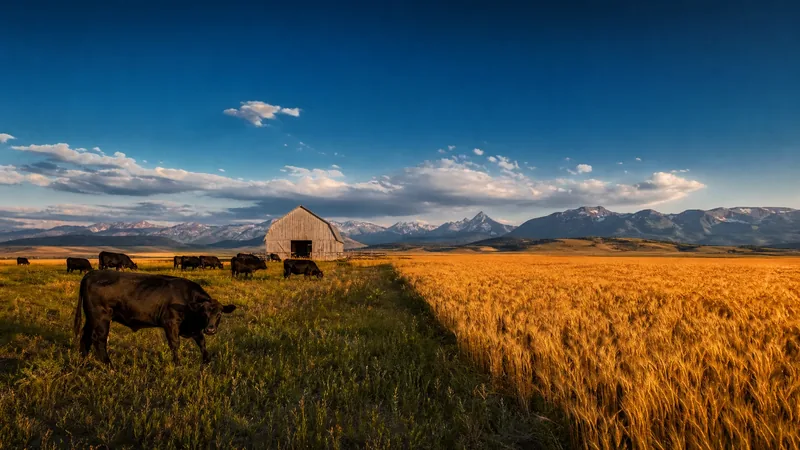
How to Start a Farm or Ranch Business in Montana
Last verified: November 24, 2026
Starting a farm or ranch business in Montana takes more than buying land, equipment, and livestock. You need to decide how the business is structured, which state and local rules touch your operation, and how your animals and equipment are documented. Sorting those questions out early keeps the start-up phase from stalling later.
This guide explains how to start a farm business in Montana step by step. It lists the materials to gather first, walks through each step in plain terms, flags the mistakes new operators make most often, and names the agency to confirm each detail with. Where this guide does not cover a point, it tells you who to ask.
Materials and Information to Gather First
Pull the following together before you file anything or contact an agency. Having them ready makes every later step faster.
- A written description of the operation, including crops, livestock, products, and whether you will sell to buyers, processors, or visitors.
- Your proposed business name and a check of whether it is available through the Montana Secretary of State's Business Name Search.
- Records for any land you own or lease, including the county where each parcel sits.
- A list of the livestock you plan to raise, since cattle and horses have their own brand and inspection rules.
- A list of the equipment you plan to own, which affects your property tax picture.
- A working budget that covers equipment, insurance, licensing fees, and filing costs.
- Contact details for your county treasurer and your city or county planning office.
Step-by-Step Setup
Both exemptions covered in Steps 3 and 4 deserve a careful read before you assume a license applies. The steps below take your operation from a rough plan to a set of confirmed requirements.
Step 1: Define Every Activity Your Business Will Include
Write down what you grow or raise, then list everything else the business will do. Guided hunts or fishing trips, farm stays, camping, food sales, nursery stock, custom hauling, and building work for neighbors can each fall under separate rules. A farm that only produces crops and livestock faces a different checklist than one that also hosts paying guests. Steps 2 through 7 check each activity against the rules.
Step 2: Check Department of Agriculture Licenses
The Montana Department of Agriculture oversees several programs that farm operators encounter, including grain warehouses, pesticides, nurseries, hemp, and organic programs. Its licensing page lists the following licenses:
- Nursery Business License
- Pesticide License or Permit
- Commodity Dealer or Warehouse License
- Feed Dealer License
- Fertilizer Dealer License
- Produce Dealer License
- Seed Dealer License
The list does not tell you which licenses apply to your operation. Compare it against the activities you wrote down in Step 1, then review each license on the Montana Department of Agriculture licensing and registration page before you sell or apply anything regulated.
Step 3: Confirm Whether You Need an Outfitter License
Montana law defines an outfitter as a person who, for consideration, provides a saddle or pack animal, facilities, camping equipment, vehicle, watercraft or other conveyance, or personal service for a person to hunt or pursue game, including fish, and who accompanies that person. Under the same statute, a person providing services on real property the person owns for the primary pursuit of bona fide agricultural interests is excluded from outfitter licensing. The statute is in Montana Code Annotated 37-47-101.
That exclusion matters most for ranch owners who host hunters or anglers. It applies to property you own, and it is tied to the primary pursuit of agricultural interests. Charging for trips on land you do not own, or building the business mainly around recreation, may take the operation outside the exclusion. Confirm your specific setup with the Montana Board of Outfitters license information for outfitters before you advertise or accept payment for trips.
Step 4: Review the Construction Contractor Rules
Under MCA 37-45-104, the construction contractor chapter does not apply to a farmer or rancher while engaged in a farming, dairying, agriculture, viticulture, horticulture, or stock or poultry operation. That exemption is tied to your own operation, so it does not automatically cover construction work you perform for other people.
The Department of Labor and Industry says that effective January 1, 2026, all construction contractors in Montana are required to be licensed with the Department. Contractors with an active Montana registration as of December 31, 2025 were converted to the new license. If you plan to build, repair, or install structures for neighbors or other clients, confirm with the Department of Labor and Industry whether the licensing requirement applies to that work, using its construction contractor page.
Step 5: Set Up the Business Entity and Local Licenses
Decide whether you will operate as an individual or form a business entity such as a limited liability company or corporation. If you file with the Montana Secretary of State, use the Business Services Division's filing tools and confirm the current filing fee and required information before you submit anything.
Next, check local requirements. The Montana Department of Commerce explains the division of responsibility this way:
Local city and county offices provide all business licensing in Montana. The State of Montana provides professional licenses.
Ask your county treasurer or city office whether any local business license applies to your operation. If you plan to add a farm store, lodging, or events, also ask the County Commissioners or Planning Board about local zoning, and ask the Board of Adjustment how it handles zoning questions. You can read the Montana Department of Commerce business licensing guide for the source of that statement.
Step 6: Record Your Livestock Brand and Plan for Inspections
The Brands Enforcement Division of the Montana Department of Livestock reports that Montana has more than 51,000 registered livestock brands. Register your brand early, because brand inspection rules apply when you move or sell cattle and horses. The current recording fees are listed below.
| Brand Item | Fee |
|---|---|
| Standard brand recording fee | $200.00 |
| Brand recording fee with a cattle freeze brand | $210.00 |
| Nonrefundable portion of the application fee if a brand is not registered or issued | $100 |
Call the Brands Enforcement Division at (406) 444-2045 to confirm the details before you submit an application. The Montana Department of Livestock brand page covers the recording process.
Brand inspection is required for cattle and horses in these situations:
- Before crossing a county line or leaving the state
- Before a change of ownership, which is the seller's responsibility
- Before being sold at a livestock auction
- Before slaughter at a licensed establishment
All inspections must be made in daylight. Build inspection time into your sale and transport schedules. This guide does not cover inspection rules for other species, so confirm those with the Department of Livestock through its inspection requirements page.
Step 7: Review the Equipment Tax Rules
Under MCA 15-6-138, class eight property includes all agricultural implements and equipment that are not exempt under MCA 15-6-207 or 15-6-220. The first $1 million of market value of class eight property of a person or business entity is exempt from taxation. Class eight property is taxed at 1.5% for the first $6 million of taxable market value above the exemption, and at 3% above $6 million.
Equipment values can climb quickly in farm and ranch operations, so track purchase records and market values from the start. This guide does not calculate how these rules apply to your equipment, and it does not determine whether a specific item qualifies under MCA 15-6-207 or 15-6-220. Ask the Montana Department of Revenue how your equipment will be assessed and whether any exemption applies.
Tips for Keeping Clean Records
- Keep a single folder, paper or digital, for entity filings, licenses, brand paperwork, and inspection records.
- Record the purchase date, price, and location of each piece of equipment, since those details support later tax questions.
- Write down the name of each agency contact, the date, and what you were told. Verbal answers are easy to forget.
- Review your list of activities from Step 1 every year, because adding a new activity can bring in new rules.
Common Mistakes to Avoid
- Assuming an exemption covers every activity. The exemptions in Montana law are tied to specific activities and property, so check each one against your plans.
- Advertising hunting or fishing trips before confirming outfitter status with the Montana Board of Outfitters.
- Taking paid construction work for neighbors without checking the Department of Labor and Industry's contractor rules.
- Overlooking local requirements because state rules seem complete. Local city and county offices provide all business licensing in Montana. See the business license guide.
- Moving or selling cattle or horses without planning for brand inspection timing.
- Skipping equipment records, which makes property tax questions harder to answer later.
- Starting to sell or apply regulated products before checking the Department of Agriculture's license list.
What to Expect After You Start
Results vary with the operation, the land, the markets, and local conditions. This guide cannot promise income, sales volume, or timelines for approvals or inspections. A complete setup can make later questions easier to answer and may reduce the chance of delays at filings and inspections.
Treat compliance as an ongoing part of running the business rather than a separate task you finish once. Revisit your licenses, brand records, and equipment list as the operation grows or changes.
Frequently Asked Questions
Do I need a state license to sell farm products in Montana?
This guide does not give a full answer for every product. The business license guide explains how Montana handles business licensing. Check the Department of Agriculture's list for produce, seed, feed, and fertilizer dealer licenses, and confirm food-related questions with the Montana Department of Public Health and Human Services, Environmental Health and Food Safety.
Can I host hunters on my ranch without an outfitter license?
It depends on your specific plans. The statute excludes services provided on property you own for the primary pursuit of bona fide agricultural interests. Confirm your plans with the Montana Board of Outfitters before you accept payment or advertise trips.
Do I need a contractor license to build a barn on my own farm?
Under MCA 37-45-104, the construction contractor chapter does not apply to a farmer or rancher while engaged in a farming or agricultural operation, so work on your own operation may fall under that exemption. If you take on similar work for other people, confirm the licensing requirement with the Department of Labor and Industry.
Disclaimer
This guide is informational content, not legal or tax advice. Rules and fees change, so confirm current requirements with the agencies named here. Consult an attorney or CPA before making decisions about your business structure, licensing, or taxes.
Sources
- Montana Code Annotated 37-47-101, outfitter definition and exclusion
- Montana Board of Outfitters license information for outfitters
- Montana Code Annotated 37-45-104, construction contractor farm exemption
- Montana Department of Labor and Industry construction contractor licensing
- Montana Department of Agriculture licensing and registration
- Montana Department of Commerce business licensing
- Montana Department of Livestock livestock brands
- Montana Department of Livestock brand inspection requirements
- Montana Code Annotated 15-6-138, class eight property
Keep exploring: related Montana guides
- How to Start a Cattle Ranch in Montana
- How to Start a Hunting Outfitter Business in Montana
- How to Start a Campground or RV Park in Montana
- How to Start a Meat Processing Business in Montana
- How to Start an LLC in Montana
- Montana Business License
- How Much Does It Cost to Start a Business in Montana
- All Montana business types
- Every Montana guide in one place